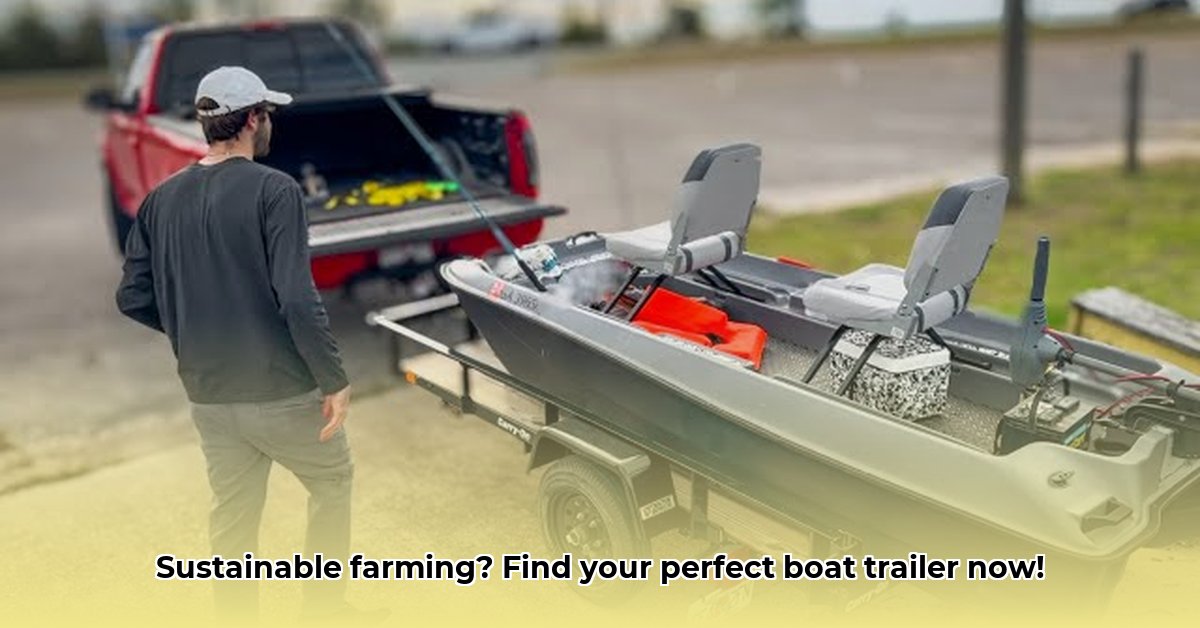
Choosing the right equipment is crucial for sustainable farming, and trailers are no exception. This guide helps you select a Tractor Supply boat trailer that aligns with your environmental and operational goals, even when complete sustainability data isn't readily available. Whether you need a trailer for recreational fishing or farm-related water activities, the principles of responsible purchasing remain consistent. For more information on aluminum trailers, check out this helpful resource: Aluminum Trailer Options.
Tractor Supply Boat Trailers: Optimizing Sustainability on Your Farm
Tractor Supply offers a variety of trailers, and responsible selection goes beyond simple hauling needs. Before focusing on specific models, understand how your trailer choice impacts overall sustainability.
Assessing Your Trailer Needs: Beyond Basic Transport
Begin by thoroughly evaluating your specific requirements. Do you need a small, lightweight utility trailer for occasional short trips? Or a heavier-duty model for larger equipment or frequent use? The right trailer size directly impacts fuel efficiency and overall operational costs. A boat trailer, for instance, requires careful consideration of your boat's weight and dimensions to avoid overloading—a major contributor to reduced fuel economy and increased wear and tear. Overloading not only affects your bottom line but also increases your carbon footprint.
Don't underestimate the importance of considering weather protection. An enclosed trailer protects your equipment from the elements, reducing the need for additional protective measures and minimizing potential material damage or loss. This translates to less waste and reduced resource consumption over time.
Prioritizing Sustainable Choices: Beyond Marketing Claims
Sustainability in trailer selection involves multiple factors. It's not just about seeking a "green" label but making informed decisions to minimize environmental impact.
Fuel Efficiency: A Cornerstone of Sustainability: Trailer weight directly correlates with fuel consumption. A heavier trailer necessitates more fuel for towing, increasing operational costs and greenhouse gas emissions. Opting for a lighter trailer, even when it means potentially sacrificing some carrying capacity, can significantly reduce your environmental footprint. What fuel savings could you realistically expect by choosing a lighter model? This depends on your towing vehicle and typical distances, but even a small reduction in fuel consumption adds up over time.
Material Selection: Long-Term Impacts of Aluminum vs. Steel: Aluminum trailers are generally lighter than steel, thus improving fuel efficiency. However, the manufacturing process of aluminum has its own environmental costs. Steel trailers are durable but heavier. The ideal choice depends on your specific needs and how long you plan to use the trailer. A longer lifespan, even for a slightly heavier steel trailer, could offset its higher initial environmental impact through reduced replacement frequency.
Tire Considerations: Often Overlooked Details: Tires contribute significantly to fuel efficiency and overall lifespan. Ensure that the tires are properly sized and inflated for the trailer's weight and intended use. Regular maintenance, including proper inflation and timely rotation, extends tire life, contributing to a smaller environmental footprint. Do you regularly check tire pressure and condition? This simple practice can dramatically extend the life of your tires and optimize fuel efficiency.
Durability and Longevity: Minimizing Waste Through Quality: Investing in a durable trailer, regardless of material, reduces the need for frequent replacements, minimizing waste and conserving resources. A high-quality trailer can stand up to heavy usage, and regular maintenance helps extend its lifespan. The upfront cost of a durable trailer may be higher, but the long-term cost savings frequently outweigh a cheaper, less durable alternative.
Addressing Data Gaps: Proactive Steps for Sustainable Farming
Comprehensive sustainability data for Tractor Supply trailers is often limited. This lack of readily available information requires a proactive approach. First, focus on factors within your control:
- Maximize fuel efficiency: Choose a trailer that aligns with your towing vehicle's capacity. Overloading significantly reduces fuel efficiency and increases the risk of accidents.
- Prioritize durability: Invest in a well-constructed trailer, minimizing the need for frequent repairs and replacements.
- Implement regular maintenance: Regular inspections and timely repairs extend the trailer’s lifespan and reduce resource consumption.
A Step-by-Step Guide to Sustainable Trailer Selection
- Assess Your Needs: Determine the maximum weight you’ll haul, the frequency of use, and the types of materials you’ll transport.
- Compare Tractor Supply Options: Visit your local store and carefully examine different models, considering weight, materials, and features.
- Evaluate Specifications: Pay close attention to weight capacity, dimensions, and material composition. Don't hesitate to seek clarification from store staff.
- Prioritize Fuel Efficiency: Select a trailer weight that optimizes fuel consumption without compromising your hauling requirements.
- Invest in Durability: Choose a high-quality trailer built to withstand wear and tear, maximizing its lifespan and minimizing resource consumption.
Conclusion: Sustainable Farming Through Informed Choices
Selecting a sustainable boat trailer requires a balanced approach. While comprehensive sustainability data may be lacking, you can significantly reduce your environmental impact through thoughtful purchasing decisions. By prioritizing fuel efficiency, material durability, and regular maintenance, you champion sustainable agricultural practices and minimize your farm's environmental footprint.